Renting in Santa Monica? What we check before you sign.
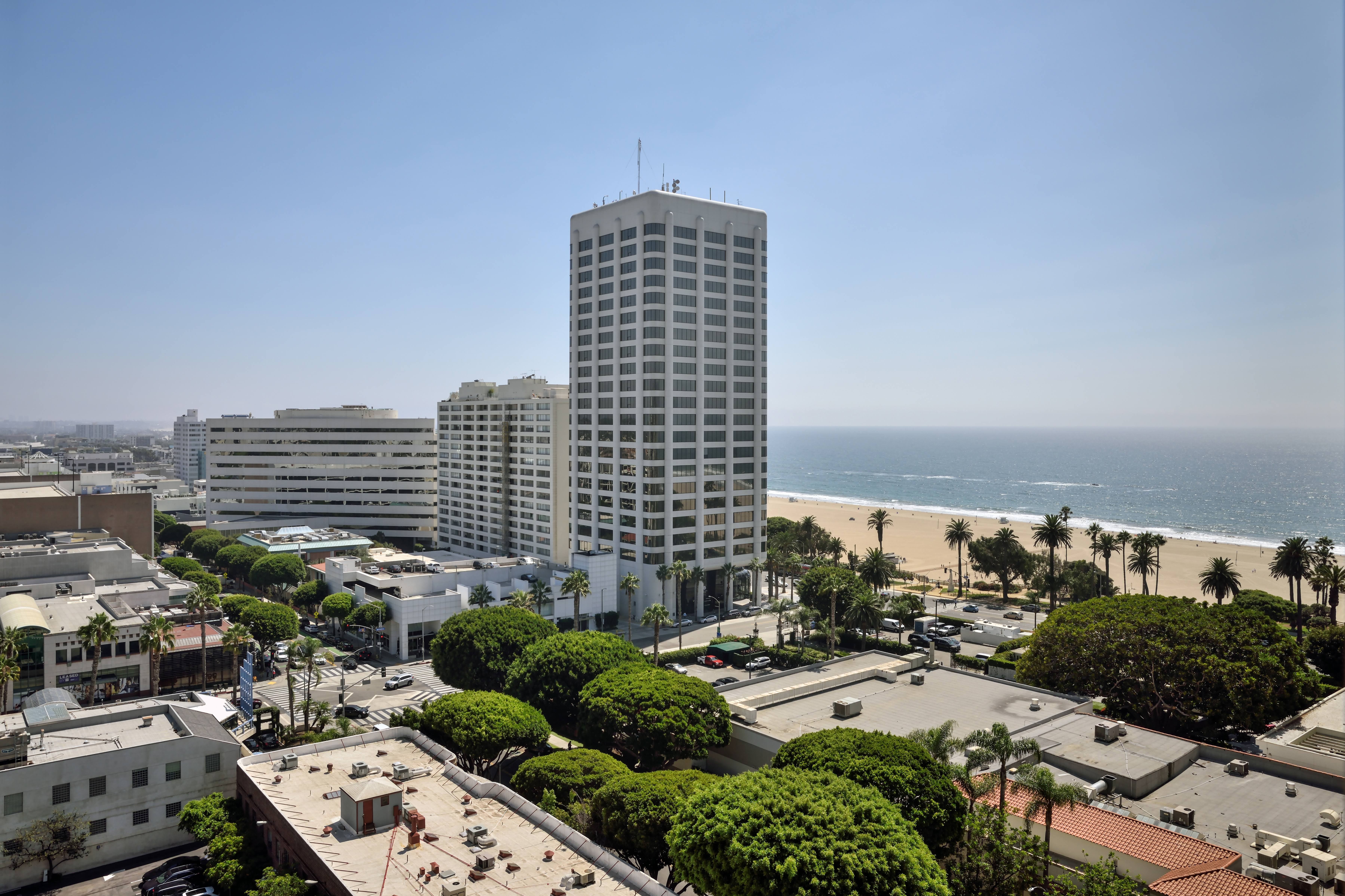
Santa Monica is its own incorporated city of about 90,000 residents on the LA County coast, separate from the City of Los Angeles. It runs from the Pacific Palisades border south to Venice, and inland from the beach to about 26th Street. Most of SM is mid-rise and low-rise apartments, with single-family pockets in the north and around Sunset Park. Tech employers (Snap headquartered here, Hulu, Activision, Riot Games until recently) anchor a young-professional renter base.
The renter profile in Santa Monica.
SM renters skew 25-45, professional, with a strong tech / creative / wellness mix. Families are concentrated north of Wilshire and around Franklin Elementary; young professionals favor the area around the Promenade and Main Street; longtime residents fill the rent-controlled buildings (SM has one of California's strongest rent control regimes). Less age-diverse than central LA, with fewer older long-term residents in newer buildings because of the rent control vintage cutoff.
What it's like living in Santa Monica.
Daily life is one of the most walkable in greater LA. The Third Street Promenade, Main Street, and Montana Avenue are all walkable retail spines. Santa Monica Beach and the Pier handle the tourism crush. The Metro E Line (Expo) terminates at Downtown Santa Monica and 17th Street/SMC, giving direct subway access to Downtown LA in ~50 minutes. Marine layer keeps mornings cool and overcast much of summer; afternoons clear up. Cooler than the Valley year-round.
Around Santa Monica.
Santa Monica Pier
Iconic 1909 pier with Pacific Park (small ferris wheel and rides), arcade, restaurants — the city's defining landmark.
Third Street Promenade
Pedestrian-only retail and dining street, three blocks long, anchored by Santa Monica Place mall.
Santa Monica Beach
3.5 miles of public beach with boardwalk, bike path, volleyball courts.
Tongva Park
6-acre park opposite City Hall — fountains, play areas, native plant landscaping.
Bergamot Station Arts Center
Cluster of art galleries in a former rail yard, off Olympic and Cloverfield.
Downtown Santa Monica Metro E Line Station
Subway terminus at 4th and Colorado — ~50 minutes to Downtown LA.
Santa Monica High School (SAMOHI)
SMMUSD high school on Pico — large, well-known, with strong arts and athletics programs.
Will Rogers Elementary School
SMMUSD elementary in the family-anchored north of Santa Monica.
Context only. These places are not part of the report. Always verify schools, opening hours and access independently before signing a lease.
What people ask about Santa Monica.
Is Santa Monica part of Los Angeles?
No — Santa Monica is its own incorporated city since 1886, with separate police, schools (SMMUSD), and city council. It's in LA County and most people consider it 'LA' for everyday purposes, but legally and administratively it's distinct.
Is Santa Monica really worth the rent premium?
It's one of the most expensive renter markets in LA County. The trade-offs you're paying for: real walkability, beach access, top-rated public schools (SMMUSD), cooler summer climate, and major tech employers within bike distance. If you don't use any of those, the value-per-dollar drops fast.
How does Santa Monica rent compare to Venice?
Comparable for the equivalent product, but the housing stock differs: SM has more mid-rise apartments and stricter rent control; Venice has more single-family / duplex / converted bungalows. SM tends to skew slightly older and more family-friendly; Venice slightly more bohemian / tech.
Does the marine layer matter?
Yes for some renters. June and July often stay overcast through midday — locals call it 'June Gloom' and 'No-Sky July'. If you need bright sun every morning, the marine layer matters. The pattern usually breaks by August. We can note window orientation and likely afternoon-sun pattern from the visit.
Is rent control real here?
Yes, and unusually strong. Buildings built before April 1979 fall under SM's local rent stabilization (separate from California's statewide AB 1482). Annual increases are capped, vacancies have specific rules. SM apartments built after 1979 are not under SM rent stabilization but may fall under statewide caps. Always verify with the SM Rent Control Board directly.
Looking at a place in Santa Monica?
Send us first.
We visit the property, run a structured 10-category review, and deliver an honest report within 24 hours.