More than one month's rent as a deposit in LA? Check this before you wire anything
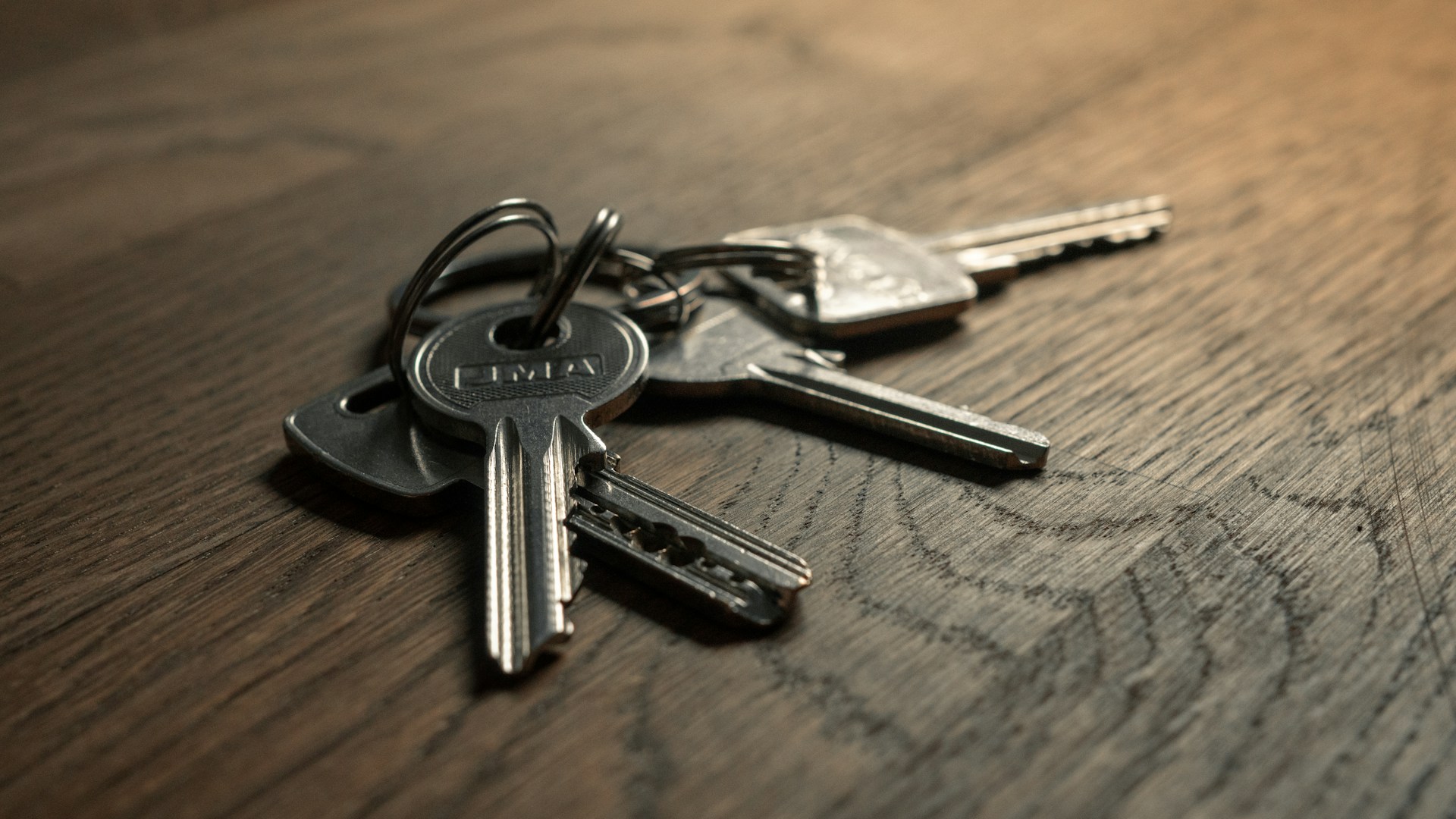
You found the apartment, the landlord answered fast, and now the email asks for two months' rent as a deposit, plus first month, plus a "cleaning fee", by wire, today. If you are renting in Los Angeles from another city or another country, that request deserves five minutes of checking before any money moves. Since July 1, 2024, California caps what a landlord can ask for, and the cap is easy to verify.
Here is what the law allows, what counts toward the limit, and what an overcharge usually means. General information, not legal advice.
The rule: one month's rent
Under Civil Code 1950.5, as amended by AB 12, a landlord cannot demand or receive security "in excess of an amount equal to one month's rent", in addition to the first month's rent paid at move-in. The rule applies to furnished and unfurnished units alike. A furnished place no longer justifies a bigger deposit.
The one exception: small landlords
A landlord can ask for up to two months' rent only if they are a natural person (or an LLC whose members are all natural persons) and own no more than two residential rental properties with no more than four units in total. A large management company or a corporate owner does not qualify. If someone asks for two months, it is fair to ask in writing whether they meet that definition.
Every fee counts toward the cap
The California Department of Real Estate's tenant guide is blunt about it: a pet deposit, key fee, cleaning fee or "last month's rent" collected at the start is all part of the security deposit, whatever it is called. The one charge outside the cap is the application screening fee, which has its own limit. A lease also cannot call any part of the deposit "nonrefundable".
What an overcharge usually means
A landlord asking for more than the cap is one of two things. Either they are not up to date with a law that has been in force for over a year, which tells you something about how the rest of the lease will be handled. Or the listing is not real. The FTC warns that fake owners push wire transfers, gift cards or crypto for deposits and first month's rent, and that this money is as good as cash once sent. An inflated deposit demanded urgently, from someone you have never met, combines both warning signs.
Check before you pay
- Divide the total requested at signing, minus first month's rent and the screening fee, by the monthly rent. Above one, ask why.
- Ask for every fee in writing, with its name and amount.
- Search the address with the owner's name. A second ad with a different contact is a scam signal.
- Pay nothing before a signed lease and a verified landlord, and never by wire, gift card or crypto.
Our guide to avoiding rental scams in Los Angeles covers the other patterns. And when the only thing missing is someone to confirm the unit exists and matches the photos, Scoutmyplace sends a local scout who visits and reports back within 24 hours.
The takeaway. In California, the deposit is one month's rent, two only for genuinely small landlords, and every fee collected at the start counts. A demand above that is either an uninformed landlord or a scam. Either way, you do not wire anything until you know which.