Tenant moved in before July 2025? Your move-out photos now carry the whole file
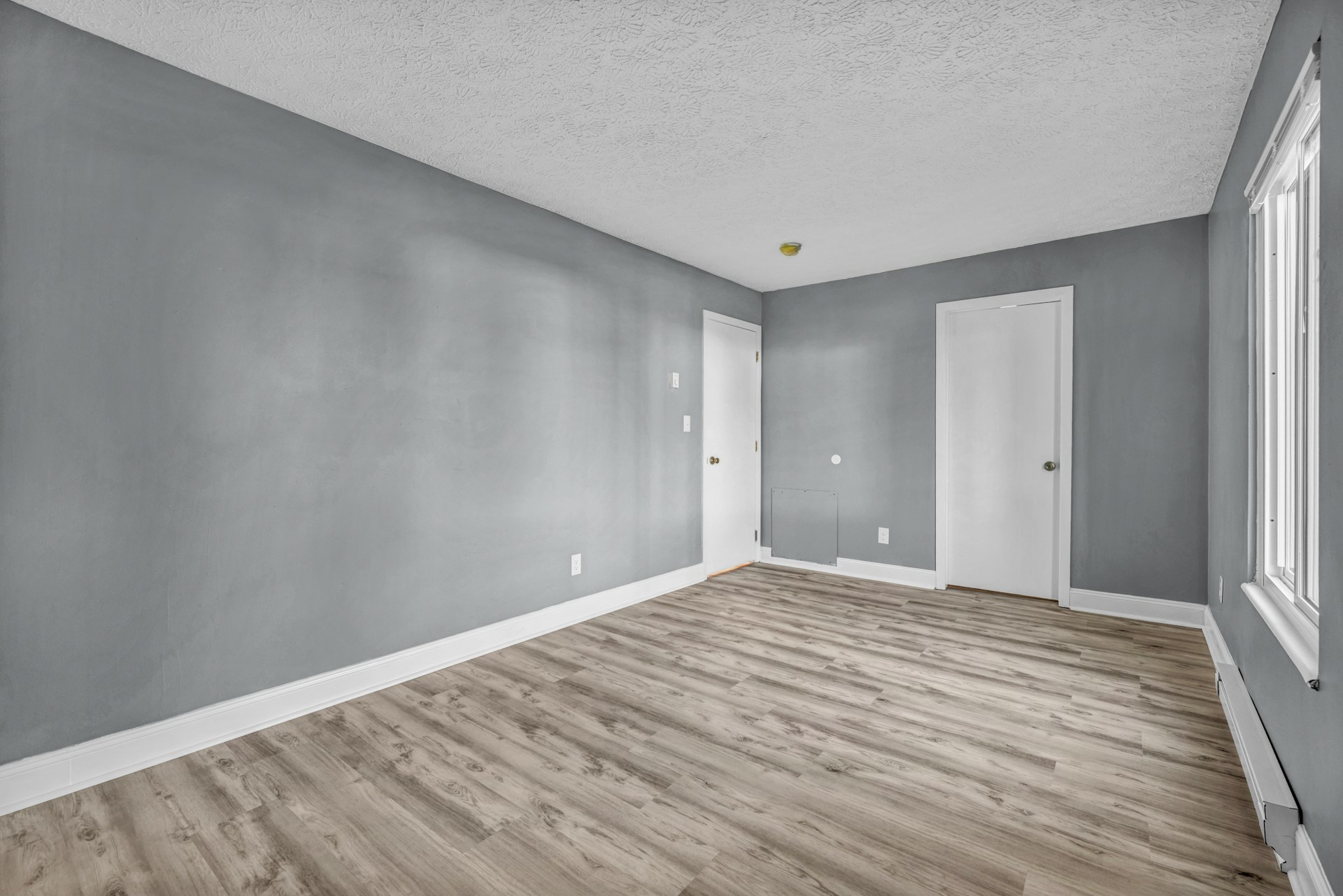
Plenty of Los Angeles owners have a tenant who signed in 2022, 2023 or early 2025. For those leases, California never required move-in photographs. Since April 1, 2025, it does require move-out photographs, before any repair or cleaning and again once the work is done. So when that tenant leaves, the exit file arrives with no official baseline to compare against, and the landlord still carries the burden of proving every deduction.
Here is how to build a move-out record that can stand on its own. General information, not legal advice.
What the law requires, and from when
Civil Code 1950.5, as amended by AB 2801, splits the photo rules by date. Move-in photographs are required "for tenancies that begin on or after July 1, 2025". Move-out photographs have been required for every tenancy since April 1, 2025: within a reasonable time after the keys come back, before any repairs or cleaning, then again after the work. If you deduct for repairs or cleaning, those photos go to the tenant with the itemized statement. A lease signed in 2023 therefore ends with the full exit duty and none of the entry evidence.
Why a missing baseline hurts
The statute bars claims for "defective conditions that preexisted the tenancy" and for ordinary wear and tear, and it gives the landlord "the burden of proof as to the reasonableness of the amounts claimed". Without day-one photos, every stain and scratch invites the same question from a small claims judge: how do you know it was not already there? The tenant does not have to prove anything. You do.
Gather what already exists
Before the tenant leaves, collect every dated trace of the unit's earlier condition: a move-in checklist if one was signed, the listing photos from when the unit was advertised, invoices for paint, flooring or appliances installed before the lease, emails in which the tenant reported a problem. None of it equals a proper move-in set, but a 2023 invoice for new carpet makes a 2026 stain much harder to call preexisting.
Make the exit record carry more weight
With no comparison set, the exit record has to speak for itself. Every room and every element photographed, intact ones included, so nobody can claim a room was skipped. Wide shots for context, close-ups for each defect, everything dated. Damage that tells its own story holds up best: a burn mark, a snapped blind slat, the holes left by a TV mount. Diffuse claims like "general dirt" or "worn floors" are the ones that collapse without a baseline, so think twice before deducting for them.
Close the gap for the next tenant
The real lesson is forward-looking. The next lease in that unit starts after July 1, 2025, so move-in photographs become mandatory anyway. Use the same method at both ends of that tenancy and the next move-out becomes a comparison instead of an argument. The three photo duties are laid out in our guide to AB 2801 and California security deposits.
This is the situation a neutral move-out condition report from Scoutmyplace is built for: every element documented by a scout with no stake in the deposit, in a dated file delivered within 24 hours, before any contractor walks in.
The takeaway. If your tenant moved in before July 2025, you will reach move-out with the photo duty but without the starting point. Collect every dated trace of the earlier condition now, document the exit exhaustively, deduct only for what speaks for itself, and never let the next tenancy start without a move-in record.