How to read a Los Angeles apartment lease in 10 minutes
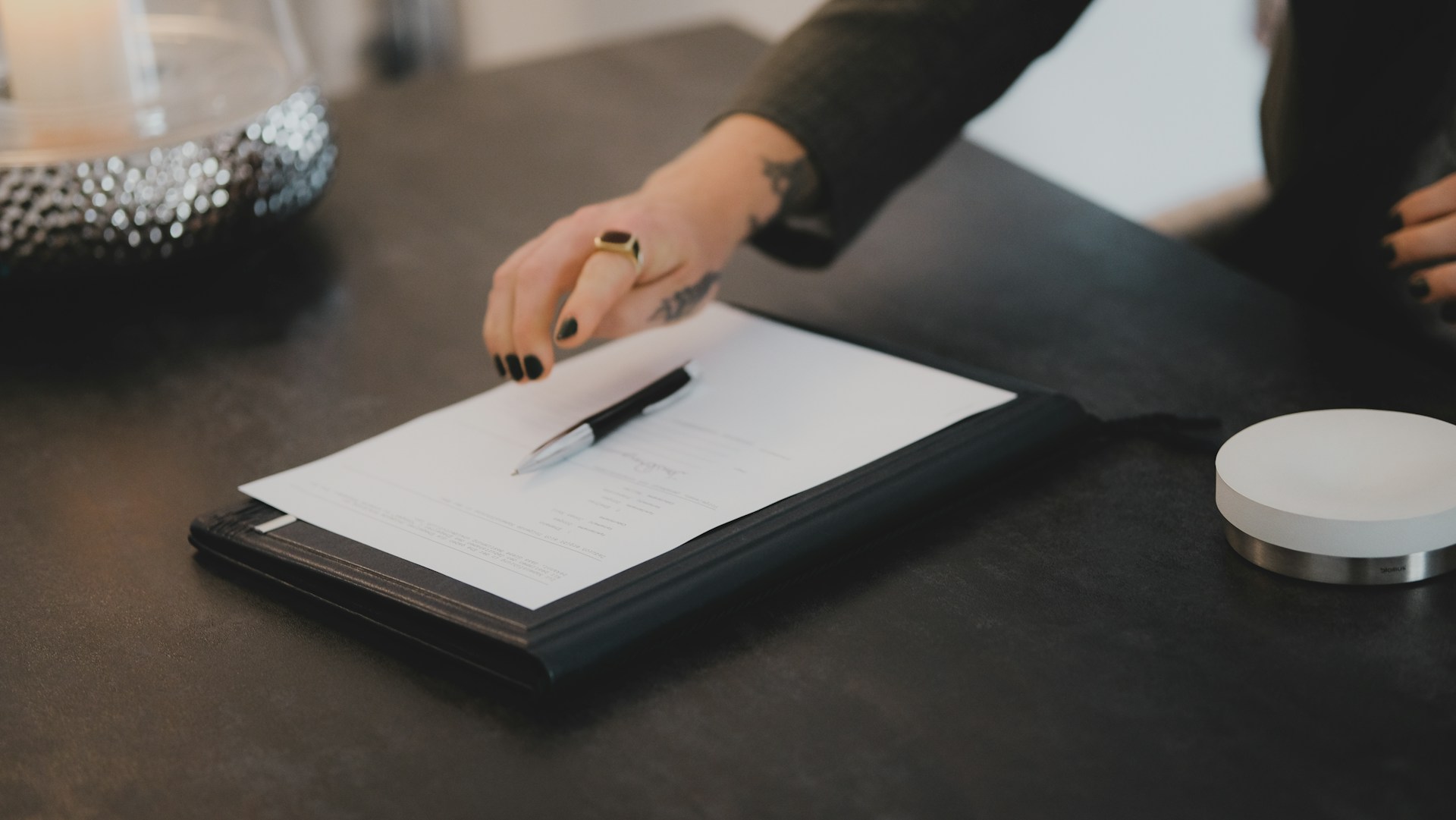
A Los Angeles apartment lease runs from a dozen pages to thirty, and most people sign it on a phone screen. If you are coming from another country, the format is unfamiliar too: long, dense and mostly boilerplate. The good news is that a handful of clauses decide almost everything, and California law already fixes some of them for you.
Here is where to look, in the order that matters. General information, not legal advice.
1. The basics, read literally
Address, unit number, start date, term and monthly rent. Check the unit number against the one you were shown, and make sure any agreed concession (a free first month, included parking) is written into the lease, not just promised by email.
2. The deposit
Under Civil Code 1950.5, most landlords cannot ask for more than one month's rent as security, two for some small landlords, for deposits collected since July 1, 2024. "Security" covers any deposit or fee charged at the start, so a pet deposit counts toward the cap. A lease cannot call any of it "nonrefundable", and the landlord has 21 days after you move out to return it or send an itemized statement.
3. Repairs and maintenance
The most skipped clause and one of the most expensive. Look for who handles pest control, appliance repairs, clogged drains, smoke detector batteries and air filters. Vague wording usually means the question comes up at the worst moment.
4. Breaking the lease
Read it assuming you will need it. Do you owe rent until the unit is re-rented, or a fixed fee? Job offers and visas change. Know the exit before you enter.
5. Renewal and rent increases
At the end of the term, does the lease convert to month to month, renew automatically or simply end, and how much notice do you owe? In the City of Los Angeles, also ask whether the unit falls under the Rent Stabilization Ordinance, which generally covers rental properties first built on or before October 1, 1978 and limits annual increases.
6. Landlord entry
Under Civil Code 1954, a landlord enters only for listed reasons (repairs, showings and emergencies among them), during normal business hours, with reasonable written notice. Twenty-four hours is presumed reasonable. If the lease describes entry differently, ask about it in writing.
7. The addenda
The last pages hold the rules you will live with: parking, guests, quiet hours, smoking, pets, the pool. They are binding. A guest limit matters if family plans a long visit.
Before you sign
- Ask in writing about anything unclear, and keep the answers.
- Ask for changes: pet terms and renewal terms are often negotiable.
- Keep a copy signed by both sides somewhere you will find it in a year.
The takeaway. Ten minutes on the deposit, repairs, early exit, renewal and entry prevents most lease regrets. California already sets the deposit cap and the 21-day return, so a lease that contradicts them is a warning sign. The guide to moving to Los Angeles from abroad covers the rest of the paperwork, and a Scoutmyplace visit can document the unit itself before you sign.