Photographing an occupied LA rental: notice, privacy and what stays out of frame
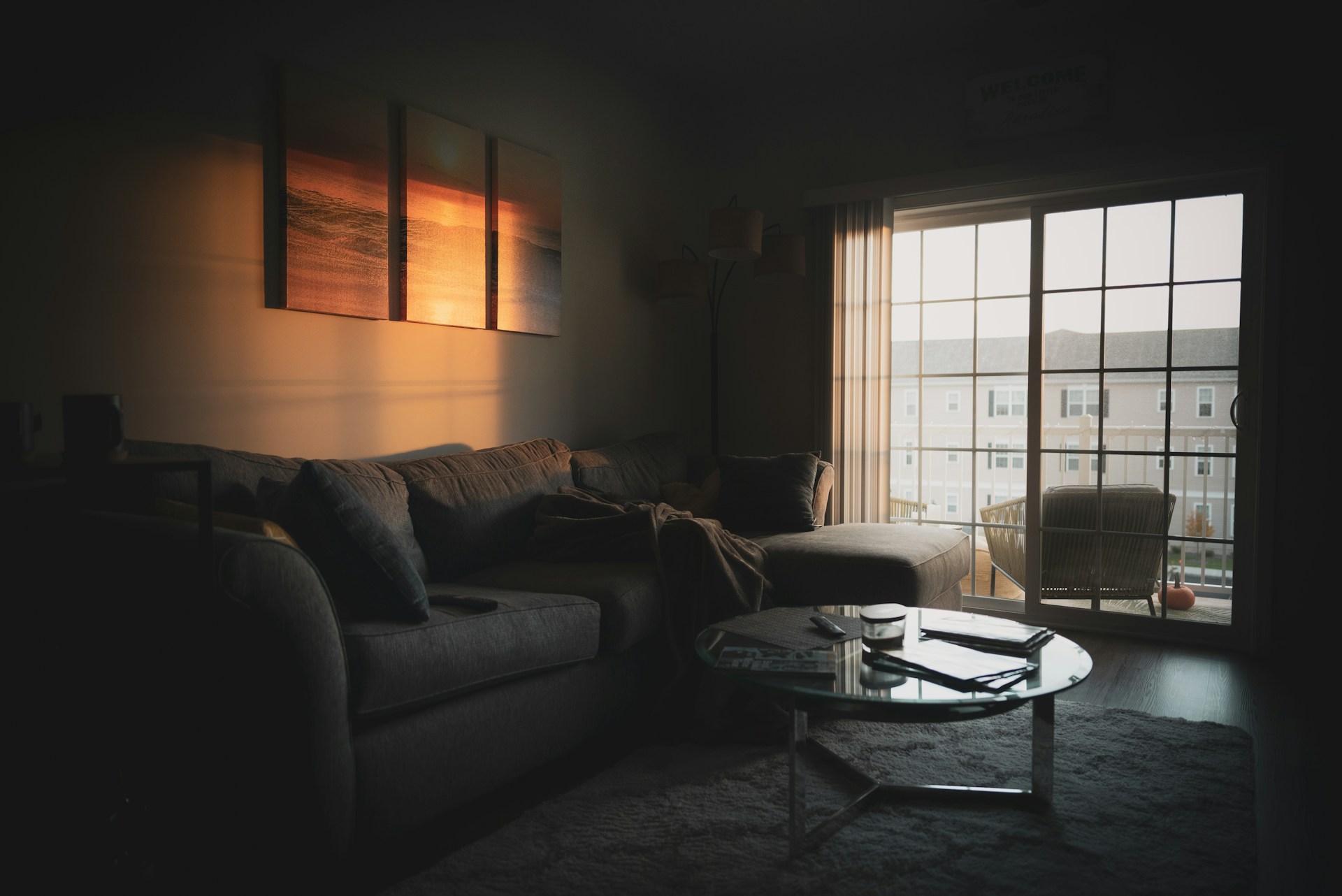
Most AB 2801 advice assumes an empty unit: photos before the tenant moves in, photos after the keys come back. But owners also end up photographing a unit someone lives in, before a pre-move-out walkthrough, for a repair, when a roommate leaves. That is a different situation. The law limits when you can walk in, and every photo you take will be seen by the person whose bedroom it shows.
Here is how to do it without weakening the file or the relationship. General information, not legal advice.
Entry needs a reason and a written notice
Civil Code 1954 lists the cases where a landlord may enter: emergencies, necessary or agreed repairs, showings to buyers or new tenants, the pre-move-out "initial inspection", abandonment and court orders. Outside emergencies, entry needs reasonable written notice giving the date, approximate time and purpose, during normal business hours. Twenty-four hours is presumed reasonable. The statute does not list documentation photos as a reason of their own, so tie the visit to a listed purpose, or ask the tenant to agree to it in writing.
The pre-move-out visit has its own 48 hours
When a tenancy is ending, Civil Code 1950.5 requires you to tell the tenant in writing that they can request an "initial inspection" and be present. If they ask, it takes place no earlier than two weeks before the tenancy ends, with at least 48 hours' written notice of the date and time unless both sides sign a waiver, and you leave an itemized list of the repairs or cleaning you would deduct for, so the tenant can fix them. The guide to the California pre-move-out inspection walks through each step.
Photograph the condition, not the life
The record is about the unit: walls, floors, fixtures, appliances, windows. It is not about what the tenant owns or how they live.
- No people in frame, and nothing personal: documents, screens, medication, photos on the fridge.
- Frame the surface you are documenting, close enough that the rest of the room stays out.
- Do not move or open the tenant's belongings to get a shot. Ask the tenant if something needs moving.
- Say what the photos are for, and offer the tenant a copy.
Write down what you could not see
A wardrobe against a wall hides the wall. The law anticipates this: problems missed at the pre-move-out visit because the tenant's possessions were in the way can still be deducted later. That argument is far stronger when your record says so at the time, for example "bedroom 2, east wall behind wardrobe, not visible".
A file nobody can call an intrusion
Photos taken with proper notice, for a listed purpose, showing only the condition, are hard to attack. Unannounced photos of someone's bedroom are easy to attack, whatever they show.
The takeaway. In an occupied unit, how you take the photos matters as much as what they show: written notice, a lawful purpose, condition only, and a note for every surface hidden by furniture. The cleanest record is still the one made when the unit is empty, which is why a Scoutmyplace move-in or move-out report is scheduled around the keys, not around the tenant.