Decibels and light readings: how to read the two numbers listing photos never show
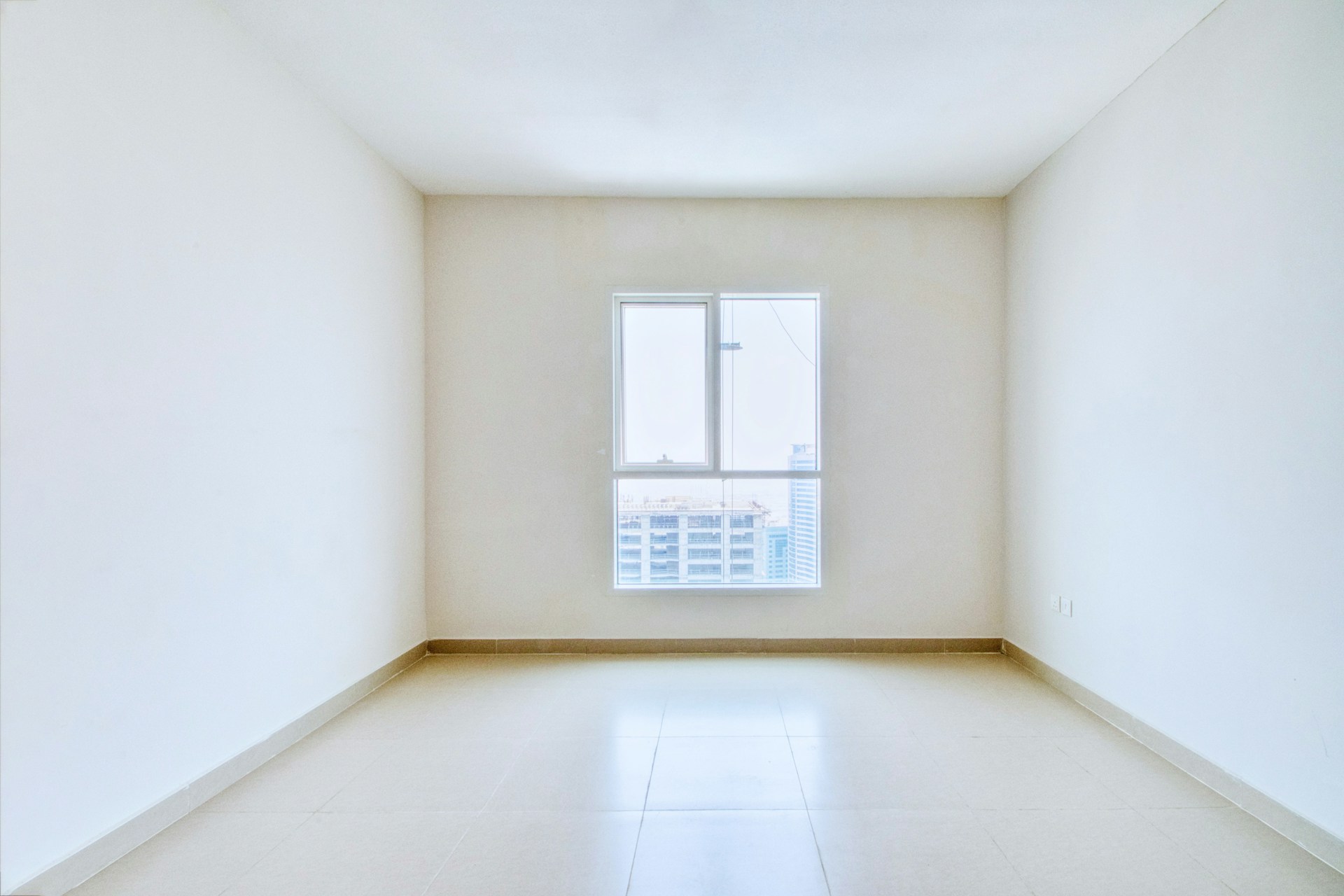
Two apartments in Los Angeles can look identical in their listing photos. Same white walls, same wide-angle living room, same "bright and quiet" in the description. Listing photos are edited, shot at the best hour and framed to leave the freeway out. Two numbers cut through that: a decibel reading and a light reading, taken in the room, on the day, at a known time. Both are useful. Both are easy to misread.
Here is what each number is, what it is not, and how to use the pair to choose between two units.
The decibel reading comes from a phone, not a lab
A noise reading in a visit report comes from a phone microphone listening for about 30 seconds. Phones do not produce calibrated sound pressure levels, so the result sits on a digital scale (dBFS) where every value is negative and the closer the number gets to zero, the louder the room. A reading of minus 25 is louder than minus 45. That surprises everyone the first time.
Because it is not calibrated, the number is not a verdict on its own. Nobody can tell you that minus 32 is "too loud" for you. What it does well is comparison: same method, same visit, two rooms side by side.
Windows closed, then open
The most useful pair is the same room with the windows closed, then open. A small gap means the sound is inside the building (neighbors, plumbing, an elevator) or simply low. A big jump means the street, the freeway or the bar downstairs is doing the work, and the glass is your only defense. In an LA summer without air conditioning, the windows will not stay closed. Read the open-window number as your real number.
Compare rooms, not apartments to a chart
The bedroom matters more than the living room. If the street-side bedroom reads close to the living room with the windows open, you will sleep with that sound. If the back bedroom drops sharply, you know where the bed goes. A reading is taken when a room sounds noisy, so a room without one is information too.
The light reading is a snapshot of one hour
The light number comes from the photos themselves. A phone records how much light it needed to expose each picture (sensitivity, aperture, shutter speed), and those settings give an exposure value per room. Higher means brighter. It is a dated measurement of the room at the hour of the visit, not a forecast of the sun across the year. A room photographed at 10 a.m. can feel very different at 5 p.m.
How to use the two numbers together
- Check the time of the visit before reading anything else.
- Compare the rooms you will use most: the bedroom for noise, the workspace for light.
- Look for gaps between rooms rather than big or small absolute values.
- Read the note next to each number: what the room sounded like, what is outside the window.
- When two units are close, the open-window bedroom reading usually decides it.
Neither number replaces the photos and the video. They tell you which photos to look at twice.
The takeaway. A decibel reading and a light reading are dated snapshots, not grades. Read them room against room, windows closed against open, and always with the time of day in mind. The sample Scoutmyplace report shows both numbers in context, next to the photos they come from.