The most expensive week in a landlord's year: a 7-day turnover plan for LA owners
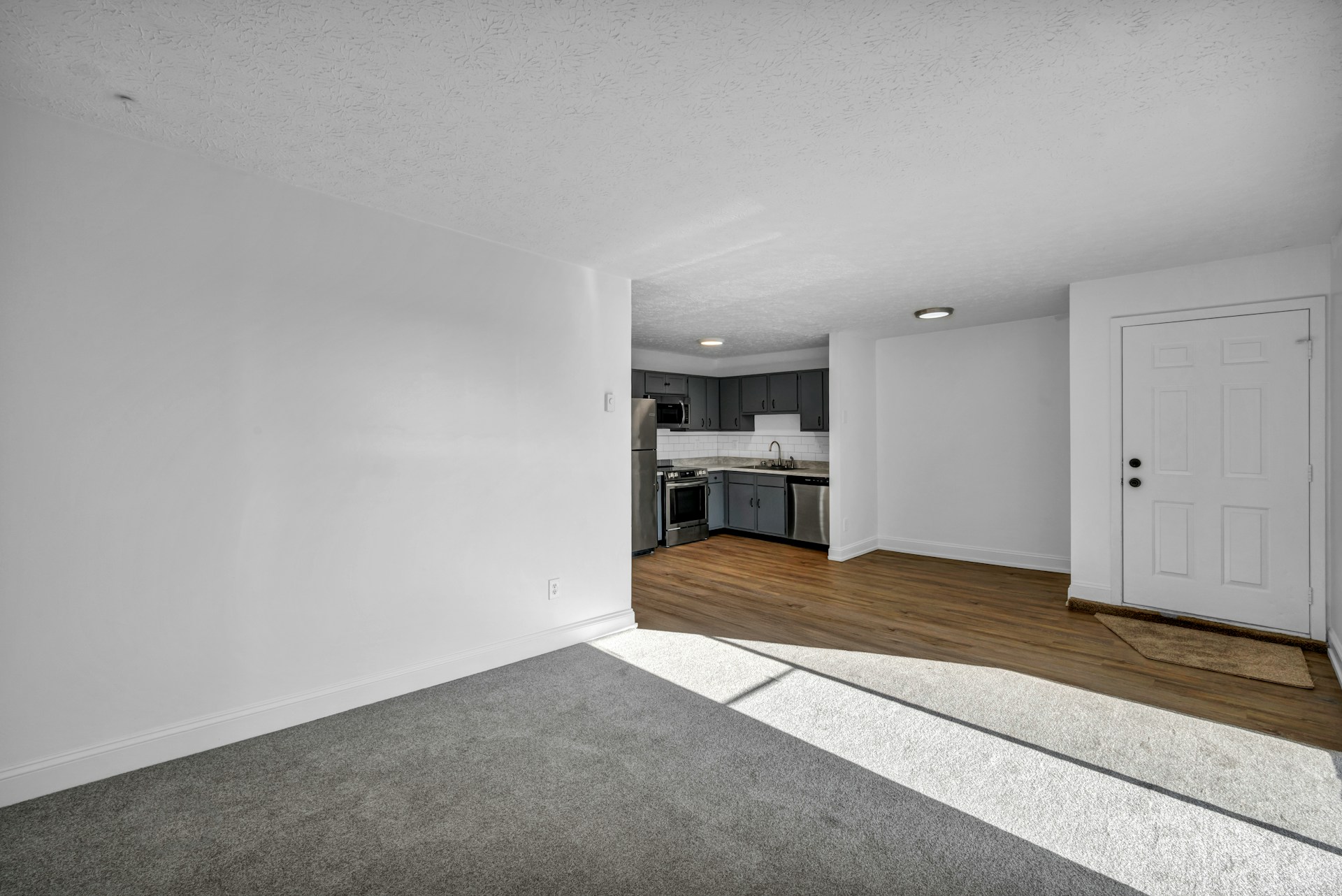
The most expensive week in a landlord's year is the one nobody plans. Rent stops the day the keys come back, but the clocks don't: every empty day is rent gone for good, and California's 21-day deposit deadline starts running at once. Most LA owners plan the listing and the new lease. Very few plan the seven days in between, which is exactly where turnovers go sideways.
Here is a day-by-day sequence built around those two clocks and the rules in force since AB 2801. General information, not legal advice.
Day 1: photograph before anyone touches anything
Since April 1, 2025, Civil Code 1950.5 requires photos within a reasonable time after the tenant returns possession and before any repairs or cleaning. Do it the day the keys come back: a wide shot of every room, then close-ups of every defect. If you can't be there, a neutral move-out condition report documents the exit state element by element before the first contractor walks in.
Day 2: compare against the move-in record
Deductions are limited to restoring the unit to its condition at move-in, never ordinary wear and tear. Compare element by element: bedroom walls against bedroom walls, oven against oven. For tenancies that began on or after July 1, 2025, move-in photos were required, so that is your baseline. If the tenancy predates the rule and your file is thin, deduct conservatively, because the burden of proof is yours.
Day 3: get repair quotes in writing
Itemized per repair, from licensed contractors where the work requires one. These quotes are not just budgeting, they are your evidence file. What must go out with the statement, and when receipts are required, is covered in our 21-day deposit timeline for LA landlords.
Days 4 to 6: do the work, then photograph the after state
The law also requires photos within a reasonable time after repairs and cleaning are done. Keep them paired: the broken blind next to the new one. Paired photos make the statement self-explanatory, and self-explanatory statements rarely end up in small claims.
Day 5, in parallel: the admin sweep
If the property is inside the City of Los Angeles, check that your annual registration with the Housing Department is current. LAHD states that a Registration Certificate is required to legally collect rent. Better to find a gap now than mid-lease.
Day 7: relist with photos that match reality
Shoot fresh listing photos after the cleaning, in daylight, without wide-angle tricks. Flattering photos bring applicants who walk away at the viewing, and every wasted showing adds vacancy days. The honest set also documents the condition you advertised.
All week: the 21-day clock
No later than 21 calendar days after the tenant vacates, send the full deposit or an itemized statement with the balance, weekends included. If a repair genuinely can't be finished in time, a good faith estimate is allowed, with final paperwork within 14 days of completion. Bad faith retention can cost up to twice the deposit in statutory damages.
Day 1 is where most owners lose the file, because nobody is free that morning. That is the slot a Scoutmyplace move-out condition report is designed to fill, with the dated record delivered within 24 hours.
The takeaway. The week after a move-out runs on two clocks: the 21-day deposit deadline and the vacancy meter. Owners who document on day one, quote in writing by day three and relist honestly by day seven beat both. The ones who improvise pay one clock or the other, and sometimes twice the deposit on top.