Fixing it yourself: how to bill your own time on a California deposit statement
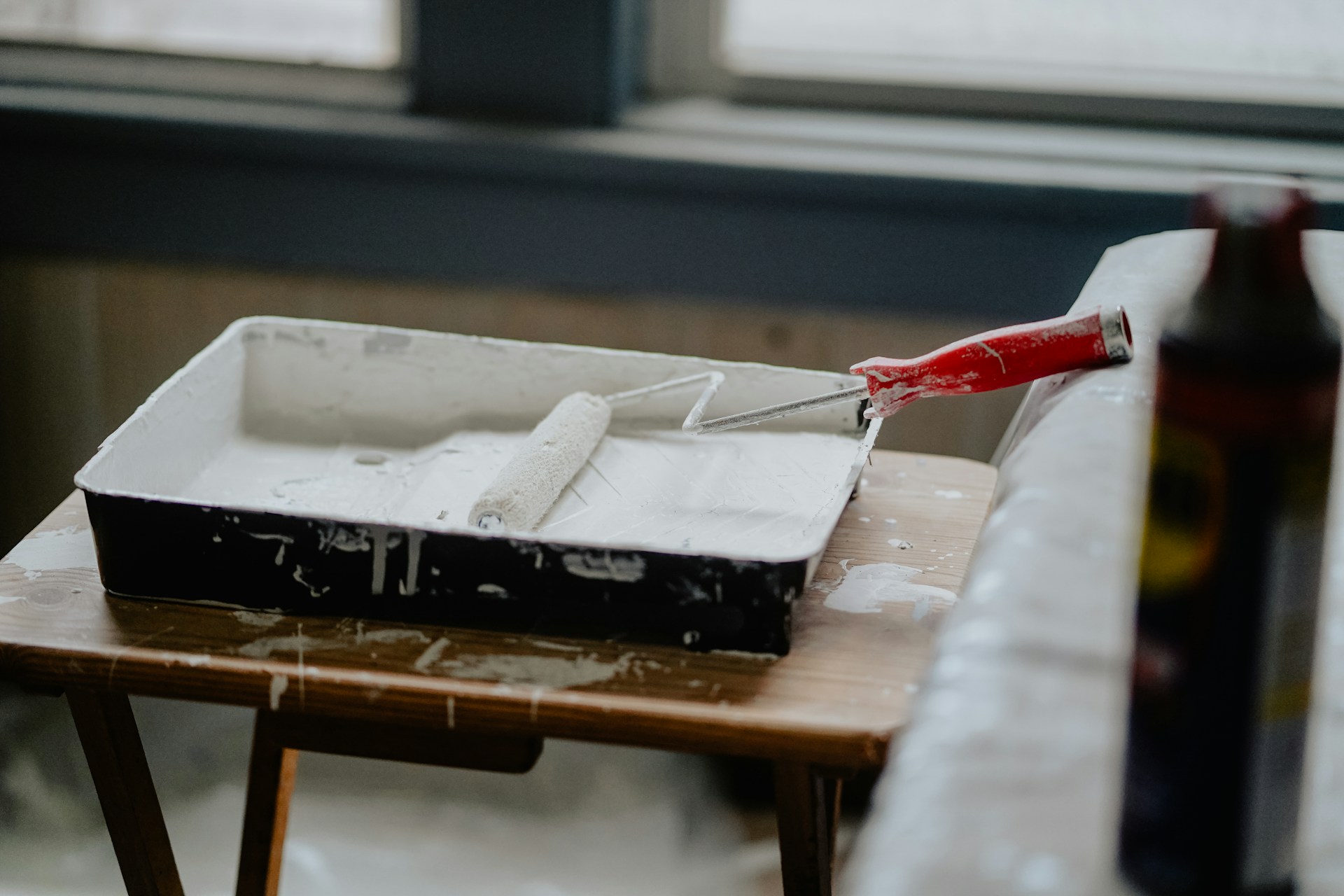
Many Los Angeles owners patch the drywall, rehang the closet door and repaint the bedroom themselves after a tenant leaves. California allows it, and allows you to charge for it. But a line on the deposit statement that reads "repairs by owner" with a round number next to it is the first one a small claims judge strikes. Your own labor is billable only when it is documented like a contractor's invoice.
Here is what the law asks for when you do the work yourself. General information, not legal advice.
Yes, your time can be charged
Civil Code 1950.5 covers work performed by "a contractor, the landlord, or the landlord's employee" in the same sentence. The limit is the same for all three: a reasonable amount necessary to restore the unit to its condition at the start of the tenancy, never ordinary wear and tear. Doing it yourself does not lower the bar. It changes the paperwork.
Three things the statement must show
When the landlord or an employee did the work, the itemized statement "shall reasonably describe the work performed" and "shall include the time spent and the reasonable hourly rate charged". The California Courts self-help guide sums it up the same way: a description of the work, how long it took, the hourly rate, and rates must be reasonable. In practice:
- Description: "patched two holes above the bedroom dresser, sanded, primed, repainted that wall", not "wall repairs".
- Time: hours per task, written down the day you do it, not reconstructed two weeks later.
- Rate: what a local handyman would plausibly charge for that task. An owner billing at a specialist's rate for basic patching invites a haircut.
Materials are separate: keep the hardware store receipt for the spackle, primer and paint, because the statute asks for a copy of the bill for supplies too.
Photos before and after are not optional
Since April 1, 2025, the landlord must photograph the unit after the tenant leaves and before any repair or cleaning, then again once the work is done, and send those photos with the statement. For self-performed work this pair is your whole case. The before photo shows the damage existed. The after photo shows the work you are billing for was actually done, and was a repair rather than an upgrade.
The $125 shortcut has a catch
If repairs and cleaning together stay at or under $125, the documents do not have to go out with the statement. But the tenant can request them within 14 days of receiving it, and you then have 14 days to provide them. Keep the file either way.
When you cannot finish in 21 days
If your own repair cannot reasonably be completed within the 21 days, the law lets you deduct a good faith estimate, then send the completed paperwork within 14 days of finishing. An estimate buys time, not a lower standard.
The before set is the one owners most often miss, because they start fixing on day one. A neutral move-out condition report from Scoutmyplace captures the unit element by element before the first tool comes out, delivered within 24 hours.
The takeaway. Fixing it yourself is legal and billable. Describe each task, log the hours as you go, use a rate you could defend in front of a judge, keep the material receipts, and photograph before and after. Without that file, your weekend of work is worth nothing on the statement.